The Art of the Getaway: A Guide to Weekend Home Interior Design
Author
Kiran Ramachandran
Date Published
.webp?2026-02-04T04%3A59%3A15.490Z)
As we look ahead, the world of interior design is undergoing a significant transformation. The focus is shifting from purely aesthetic considerations to a more holistic approach that embraces emotional well-being, sustainability, and technological integration. This article explores the key interior design trends for 2026, offering a comprehensive overview of what to expect in the homes of tomorrow.
The Evolution of Existing Trends
Several design trends that gained prominence in previous years will continue to evolve and mature in 2026. These trends are adapting to meet the changing needs and preferences of homeowners, reflecting a broader cultural shift towards more intentional and mindful living.
Multi-Functional and Flexible Spaces
The demand for multi-purpose interiors will continue to grow, driven by the prevalence of remote work and the need for adaptable living spaces. Homes will feature sophisticated solutions such as foldaway study pods, modular dividers, and convertible furniture that allow rooms to seamlessly transition between different functions. The emphasis will be on creating efficient and clutter-free environments that can accommodate a variety of activities.
The Enduring Appeal of Curves and Arches
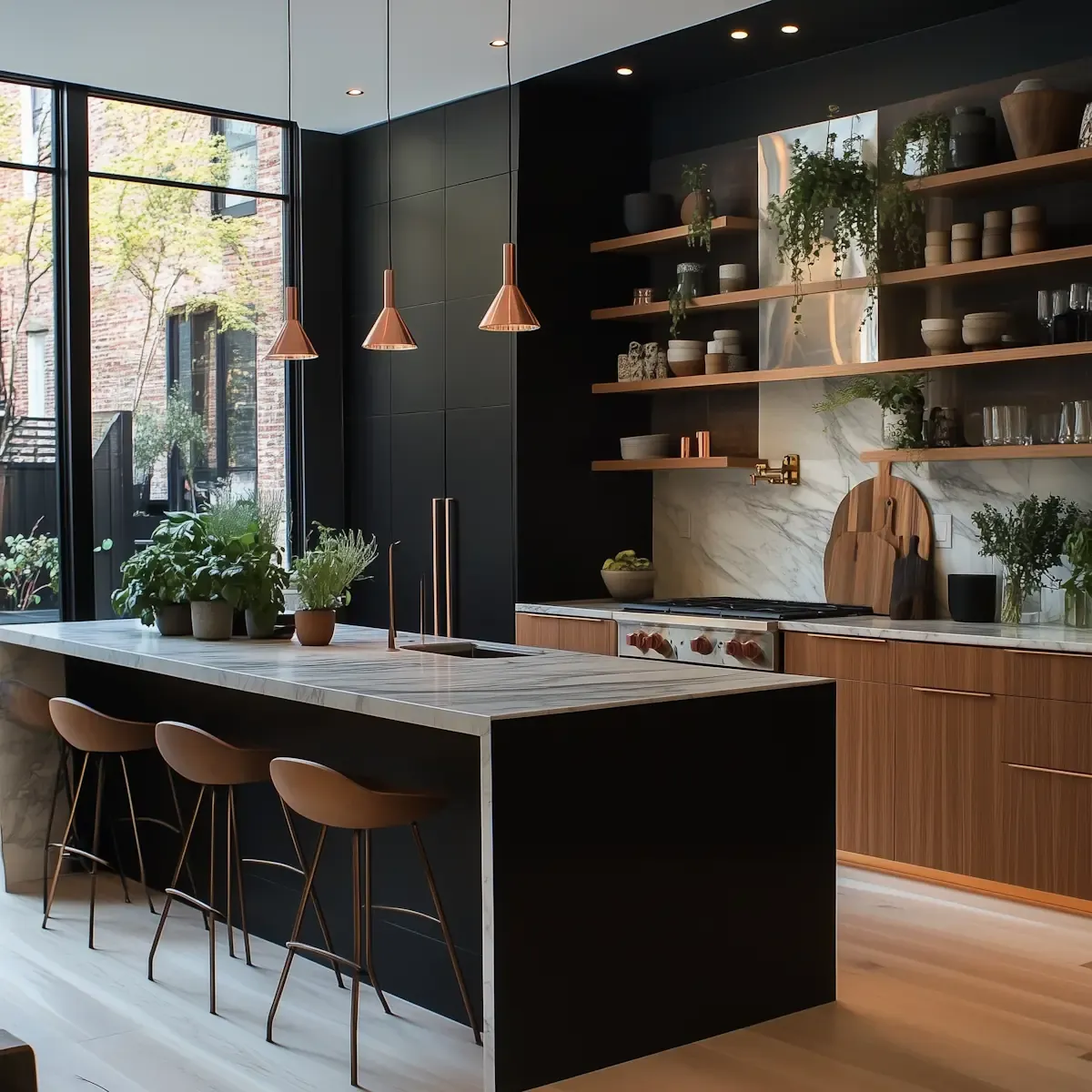
Curves and arches, once considered a playful design element, are now being integrated into the architectural fabric of homes. Arched walkways, curved kitchen islands, and rounded shelving are becoming increasingly popular, adding a sense of softness and fluidity to interior spaces. This trend represents a departure from the rigid lines of modernism and a move towards a more organic and sculptural aesthetic.
Sustainability as a Core Principle
Sustainable design is no longer a niche trend but a fundamental principle of modern interior design. Homeowners are increasingly seeking out eco-friendly materials such as FSC-certified wood, clay-based paints, and recycled textiles. There is also a growing emphasis on energy efficiency, with the adoption of LED lighting, smart home systems, and passive design strategies that reduce the environmental impact of homes.
Emerging Trends for 2026
In addition to the evolution of existing trends, 2026 will see the emergence of new and exciting design concepts that reflect the changing cultural landscape.
The Revival of Grandmillennial Style
Grandmillennial style, a modern interpretation of traditional design, is set to make a comeback. This trend combines vintage-inspired elements such as floral prints and embroidered textiles with contemporary furniture and clean lines. The result is a fresh and eclectic aesthetic that celebrates nostalgia without feeling dated.
In addition to the evolution of existing trends, 2026 will see the emergence of new and exciting design concepts that reflect the changing cultural landscape.
The Rise of Dopamine Decor
The use of color to evoke positive emotions, known as "dopamine decor," will be a major trend in 2026. Bright and mood-boosting hues such as citrus green, sunshine yellow, and vivid blue will be used to create joyful and uplifting interior spaces. This trend is supported by research in color psychology, which has shown that certain colors can have a positive impact on our well-being.
The Importance of Acoustic Design
In addition to the evolution of existing trends, 2026 will see the emergence of new and exciting design concepts that reflect the changing cultural landscape.
As our homes become more crowded and noisy, the importance of acoustic design will continue to grow. Sound-absorbing materials such as textured panels, cork tiles, and fabric-wrapped walls will be used to create quieter and more peaceful interior environments. This trend is particularly relevant in urban areas, where noise pollution is a major concern.
Conclusion
The interior design trends for 2026 reflect a broader cultural shift towards more mindful, sustainable, and emotionally resonant living spaces. From the evolution of existing trends to the emergence of new and exciting concepts, the homes of the future will be more adaptable, more personal, and more in tune with the needs of their inhabitants.
In addition to the evolution of existing trends, 2026 will see the emergence of new and exciting design concepts that reflect the changing cultural landscape.